West Essex Technology Symposium 2013
Formula for Success: Technology + Teaching = Student Engagement
I attended the West Essex Technology Symposium at West Essex Regional High School on Saturday March 2nd, 2013. I was asked to present on 21st Century Administrator and on the Connected Educator versus the Connected Generation by Raquel Williams, the organizer of the event. Before the event, through Twitter, I realized that some of the members of my Professional Learning Network (PLN) would be also presenting at the event which was exciting because it is always great to see colleagues, more like personal friends, that as passionate about instructional technology as yourself. Some of the presenters included Elissa Malespina, Melissa Butler, Kevin Jarrett, Scott Rocco, Samantha Morra, Lisa Thumann, Diane Potts, Patrick Higgins and others that focused on the theme of the conference on student engagement using technology.
Scott Rocco was the keynote speaker and he gave the attendees "food for thought" regarding engaging students in the instructional process by the integration of technology within the classroom. Scott stated technology doesn't care about the title we hold, it cares that we are educators. He suggested the need the to get the formula out of technology+teaching= student engagement to be as popular as Einstein's E=mc2. Technology in the classroom should be viewed as a tool just as a pencil is a tool. Students wants this technology and they want it now as apart of their classroom instruction. In order to engage these students, we as educators, therefore need to be engaged. As educators we need to help others to adopt the use of technology during day to day instruction so that it becomes a part of their everyday life and decision making. The 21st century employee or entrepreneur will need to use technology be innovative and creative in the economic climate present today and for the future. His keynote can be found here Keynote Presentation
After the keynote, I then attended Scott's session on Rethinking Leadership through Social Media. One of the highlights of attending this session was to meet William Stites from edSocialMedia. He has been mentioned several times to me by the district Apple representatives on the technology integration at Montclair Kimberly Academy and it's 1-1 program. In the presentation by Scott, he mentioned the need to use Social Media to get the positive message out about our schools and a means to communicating to stakeholders of the district. Scott's blog Evolving Educators can be found at http://tinyurl.com/ccaks2j. Modeling the behavior that he wanted his staff to follow was important so that his staff begin to follow his methods. Using technology to communicate to his staff on what was happening in his school district was something he wanted to implement. He shared several Web 2.0 Tools he used including LiveBinder, Smores, Twitter, Blogging, etc. His video interview with Teachcast can be seen here Scott Rocco's Interview with TeacherCast.
After this session, I attended the session where a student panel, moderated by Lisa Thumann, discussed the use of technology in the classroom. Students were primarily from West Essex but there were students from Caldwell. The students believed that the use of technology in instruction is positive, and there is a need for more teachers to get involved in using technology in the classroom. As quoted from the Alternative Press in West Essex, Andrew Rubinich of Fairfield, who hopes to become an English or business teacher, said he would like to see more teachers “utilize devices that students can control for themselves.” He said it would benefit students if more teachers used Edmodo which allows students to submit work online.
I then presented/presided on the 21st Century Administrator round table. Many of the attendees were from West Essex Regional High School and the conversation was about using technology in their everyday duties. Everyone mentioned that the lack of time to do Social Media, Blog, etc. is very hard to do because of the demands of the administrative position. Some of the demands mentioned were the new HIB guidelines, New Teacher Evaluation requirements, student discipline, budget, safety and other leadership duties of a school administrator.
My TeacherCast Interview.
Saturday, January 13, 2018

Saturday, August 23, 2014
Continue of Overview of the 2013-2014 School Year


In continuation of my previous post on the overview of my 2013-2014 school year, I attended TechTalk Live 2014 in Pennsylvania where I presented on the SMART report by CoSN. The conversaions and relationships I developed with both organizers and attendees were awesome. One of the session I attended was presented by a friend Nancy Morris and her colleague Tim Laubach from Lancaster-Lebanon IU13 on Securing the Human. In this session I realized how important it is for school district to have professional development for all educational stakeholder to understand what it means to secure the information and data they are using on a daily basis and the need to have checks and balances for all operational procedures in a school district. At NJASA Spring Conference with Ed Aguiles, on Faculty Meetings can be Dynamic and Engaging-Here's How. Our approach to meetings in general need to be changed from one of just information giving to where there are conversations and interactions to benefit all stakeholders in education. Also I attended the Long Island Connected Educators Unconference in Farmingdale. There I finally meet Face-2-Face with Bill Brennan, Tony Sinanis Vicki Day and Starr Sackstein. I have been following many of these educators for years on social media but this was my first time meeting in person. Even though the traffic was not the best going from New Jersey to Long Island, it was worth the effort to be among such passionate educators on a Saturday.

 In the past year I have also been interviewed by Tech Talk Live 2013 on the importance of having the type of conference where both people from both the technical and educational sides come together to share information on what is the best method of supporting technology in the classrooms. Understanding the need for the infrastructure to match the requirements of the instructional process is a conversation that should be continual due to the rapid changes in technology but the slow changes in education. At the CoSN conference I was asked On Who Inspires Me.
  Through Twitter I have connected with individuals from all over the United States and the world including Hong Kong, Australia, New Zealand and England. It has been amazing on how many educators are still very passionate about what they do and the impact they have on the students in their classrooms. The innovation and creativity that educators bring into the classroom always amazes me but seeing the students not only understanding and getting it, but going beyond the just learning in the classroom or school, and doing it on their own, just excites and "pumps me up".
Even though am a connected educator, I find that there are still many administrators and teachers that don't see the point in using social media to be connected. As the education changes the need to make change or be changes will require one to be innovative, persistent, courageous, develop grit, etc. to move forward in a world that is constantly changing and using more and more technology to accomplish even the simplest of things. As a connected educator I can share my ideas, thoughts and passions with others, whether I agree or disagree with them, so that I can grow in the profession that I am passionate about.

2013-2014 School Year Review
 The past school year seemed to have been a whirlwind and my PLN has been a great support going through the ups and downs of the year. Starting September I attended the School CIO Summit in Denver, Colorado with the Tech and Learning crew. The staff at Tech and Learning are fantastic and the School CIO Summit provides an opportunity for many district superintendents and technology administrators from all types of district in the US to come together to talking and share information on both their failures and successes in providing technology services for the students in their communities. Even though discussion focus on present day technology, there is always discussions regarding the future of education technology and if at all possible to predict what will happen in the next three to five years. I participated in the Edtech Leaders Create Their Dream Districts session with the attendees of the summit. There I spoke about the upcoming technology in the school district and how this will be implemented in the schools. The connections and relationships made at these summits has assisted me in not only moving my district forward but also helped me resolve many an issue in an effective and efficient manner.
In November I participated in TEEAP Conference, PA. The TEEAP conference is a technology and Engineering Conference in Pennsylvania and it was my first time presenting and attending this venue. One of the general sessions I attended was done via Skype by a marine research technician, Tina Haskins, at Rutgers University from the research lab located in Antarctica. It was amazing where she discussed the marine changes that took place before and after Hurricane Sandy in the northeast and the marine robots that are used in her research. As a treat she took her mobile device outside the shelter and gave a quick tour of the what the outside research facility looked like. and EdcampNJ, NJ
In January, I presented at NJASA Techspo, NJ with Jay Eitner and Tim Charleston on The Good, The Bad and the Ugly of BYOD in your school/district.

In March, I presented at WeTech 2014 in WestEssex NJ on the Dynamic Faculty Meeting and Becoming a GAFE school. How do we get there! with Barbara DeSantis from Sayreviile. Many of my PLN colleaguesc were present at the symposium and our discussions included what new and innovative things that where happening in the classroom or in their schools and the new Web 2.0 Tools available for teachers and students. The keynote was done by Joyce Valencia on Metaliteracy on the best tools for teling stories and communicating new knowledge. I attended the #satchat live session first thing in the morning and the continued with Promoting Excellence in Education Through Social Media with Bill Krakower and Scott Rocco.
 At the Annual Spring NJECC Conference, William Krakower and I presented on Twitter and You,where we had a hands-on session for attendees to sign up using Twitter and practice sending tweets to each other during the seeion. At the 2014 NJAET Spring Symposium I presented Setting up BYOD in your school at Linwood Middle School in North Brunswick NJ as well as assisted in organizing for this unconference. At the CoSN Annual Conference I apart of a couple of panel discussions on Solving the Small District Puzzle, Using Social Media and 21st Century Skills to Prepare Tomorrow's Teachers with two members of my PLN Susan Bearden from Melbourne Florida and Alex Podchaski from Summit NJ (both are founder of the #edtechchat on Twitter on Monday nights) and then with Gordon Dahlby and other on the SMART report done through CoSN in Washignton, DC. The SMART report focuses on the planning and network design that should be done to prepare schools and districts for the upcoming technology of 1-1/BYOD that is presently being implemented at many school districts. As more district expand, it will be necessary for the planning and implementation of the infrastructure of schools to be robust but flexible to encourage innovation and creativity in the classroom.
In May at attended Edcamp Philly in Pa where I meet up with many of my PLN friends and colleagues from the Tri-state area. I attended a session on Coding. The idea that coding may become a basic requirements in schools from K thru 12 grade has been awesome for me especially since I sue to be a computer science teacher as well as programmer. Many of the languages that I used are no longer taught but the logic and methodology is still the same from the 1980s.

 As this post continues I though it better that I continue by adding another post to complete the year. The vast amount of connections, collaborations, relationships, etc. that developed throughout the past year has been both encouraging and supportive in following my dreams and aspirations for the future generation of all students in Sayreville and in the world.
Saturday, March 16, 2013
Google Hackathon at Kean University 2013
 |
| Attended Hackathon, NJ 2013 |
 |
| Andrew Stillman and TeacherCast |

Arun Nagarajan was assisting everyone with their projects and was very helpful in helping me begin to looking at the project that Bill Krakower and I submitted. Our project was to have Google Maps embedded into Google Hangout so that when lessons were done with students, they would know where everyone was located on a map. Arun understood what we were asking and mentioned it would require using a Google Hangout API. After he guided me in the setup, Bill and I were unable to finish but Arun will be assisting us in the future in completing this proposed project.
 |
| Andrew Carle |
Then after lunch, Andrew Cantrell, had a session on basic scripting using Google Spreadsheet on doing a mail merge for addresses. From one of his own documents, he demonstrated how to do the coding for the project. He explained the different syntax within the script and how the different syntax affects the compiling of the program. Many of the teachers that were present had no programming experience but Andrew's presentation was very through and easy to understand.
At the end, all the projects were presented and winners were announced. The winners were given Google Nexus devices and some won Google Bags. Great time had by all. This was a great way to spend a Saturday learning new things.
Monday, February 25, 2013
PETE & C 2013:-Innovate, Collaborate, Educate
PETE and C conference 2013
Innovate, Collaborate, Educate


 It took six years for Aaron and Jon to go through this process/implementation and at present the Flipped Learning Network is gathering data to demonstrate the effectiveness of this instructional model.
After the keynote I attended a question and discussion session with Aaron regarding Flipped Learning. During the session, I sent an email to my technology teacher is Sayreville and then twitted out that I would ask questions for anyone on Twitter. Interestingly enough, I heard from both my technology teacher and received a twit from a teacher in the UK asking about flipping lessons at the elementary level. This gave me an opportunity to get answers for these teachers while attending this session.
Many of session could be found on the PETE and C website. http://www.peteandc.org/program.cfm. There were so many session to attend that it was difficult to choose. Much of the presentations were focused on the use of technology in the classroom but there were a few that focused on the infrastructure of technology within a school/district. Also present was representation of CoSN from the Pennsylvania Chapter. Being a member of CoSN, I was invited to attend a luncheon sponsored by Schooldude. At the luncheon, we discussed the new CETL certification for district CTOs/Directors of Technology, expanding the membership of CoSN in Pennsylvania and the development of a chapter in New Jersey.
The next session I attended was developing about the Comprehensive Planning Process and the Tech Plan. This year there are different requirements for a district/ schools technology due to changed made in Erate from the federal government. The filing requirements of the 470s forms should have already been done and that schools should be receiving proposals from different vendors. The presenter mentioned about the differences between Priority One versus Priority Two. Very few districts apply for Priority One due to the number of free and reduce stunts attending their schools. The presentation was informative and provided me with information for Sayreville Technology Plan. Before the end of the session I attended a session on Mobile Apps and spoke to the presenters about students suggesting apps to teachers rather than it being teacher focused. The presenters believed that if the apps were more from students than from the teacher, then students would want to be involved in the learning process. I suggested as a BYOD district that if they sent me their information from the presentation, then I would pass it onto a couple of teachers that I believe that would adopt this process in their classrooms. The presentation can be found here at http://www.peteandc.org/program.cfm.
In the afternoon, I visited the SNL-Social Networking Lounge to charge my laptop and cell phone. This gave me an opportunity to spend time with old friends from PAECT. I have developed a professional relationship and friendship that has transcended states and time using different modes of social media. Through Twitter, LinkedIn, etc. I have kept in touch with them over the past couple of years. They renew my resolve in the belief that technology should be integrated throughout the instructional process. The use of technology in the classroom should be apart of the natural of process because students today don't consider technology a separate matter to their lives but an intricate part of who they are as an individual. These educators believe that education should be student-centered and that technology enhances the learning process. The educators in the PAECT organization are innovative, creative, award-winning individual that passionately believe that technology can revolutionize the educational process.
The session on 60 in 60 App Attack was filled and very few seats were available. The apps were awesome and many of the attendees were hurried writing down the name of the apps and how they could be applied in their classrooms. Microsoft Office 365 Deployment Tips for IT Professionals was very interested especially due to the district possibly changing to 365 from the hosted Outlook now hosted in the district.  On Wednesday morning I presented on the Connected Educator versus the Connected Generation. How is the present generation connected? What does it mean to be a Connected Educator? How is your community connected? Why is it necessary to be a connected educator? If you want to be a connected educator, how do I start? In this workshop we will be exploring how teachers and students are connecting and radically changing education today. These were some of the topics that were explored during the session. There were several attendees including some of my friends from the PAETC. Some of the attendees were already connected educators but many had no idea of even why being connected makes a better educator. I mentioned that I only use Twitter professionally and the being connected allowed for me to answer questions from non-attendees of Aaron Sams regarding the flipped learning. The presentation was great and many mentions from the twits and the number of visits to blog seem to indicate that the attendees thought the presentation went well. Then I went to iBooks Author: Creating Original Content, Microsoft DPM - Backup Without Tape, and at the end of the conference I attended the luncheon with a keynote by Randy Wilheim from Knovation.
Overall the conference was fantastic and I believe that the connections as well as the information I learnt at the conference will be invaluable to my career and work in Instructional Technology for the coming school year. I always envisioned this conference to be my national conference whenever I can't attend ISTE. The PETE and C conference is just as dynamic, innovative and creative as the National ISTE conference and it just happens to be next door to my state.
Thursday, February 14, 2013
NJASA Techspo 2013
 |
| Jeff Bradbury from TeacherCast |
 |
| Dr. Matthew Peterson - Keynote at Techspo 2013 |
I then attended a presentation done on 2015 PARCC Testing - Are you Ready? The presenter asked "What drives technology in your district? Who designs your infrastructure? Which comes first the technology or the budget?" He mentioned the technology requirements that can be found on the NJ PARCC website. Not only the hardware needs but also the student technology literacy skills they would need such as 3rd graders would need to type a full page in 40 minutes while 5th graders would need to type two full pages in 60 minutes and would need to know how to log into the system. There were many question and very few answers to what to actually expect for the test coming in 2015. "We can plan to fail to fail to plan" for this inevitable online testing. He suggested that the technology team, technicians, be available for the test and we, the attendees, should begin to introduce students to online assessments as well as install laptops in the individual classrooms so that students could begin to practice for the PARCC exams.
Maximizing Human Capital by Enhancing Teacher Capacity was presented by Teachscape and Steve Engravalle (@iSchoolLeader). They talked the new New Jersey Teacher Evaluation EE4NJ and how would the 15% of the teacher evaluation regarding associating student test scores with teacher evaluations. Teachscape Reflect, through technology, has developed how school districts can perform this process.
Following the Edcamp rule of "two feet", I also visited a couple of other presentations by my friends, Jeff Bradbury - TeacherCast - TeacherCast:

On Friday, I attended the keynote by David Pogue from the New York Times, technology session. His presentation was engaging and funny. David presented about several new technologies that are coming in the future. He talked about augmented reality, pocket CPU, and Web 2.0. As always I found his presentation to be exciting, informative, interesting, and with his great sense of humor, David's presentation was great. After the keynote, I attended several presentation regarding the use of mobile technology for school safety, Twitter and You, Great Apps and Sites for School Leaders, Edmodo a Free Powerful Web 2.0 School Tool, and Interstate Collaboration Through Web 2.0 Tools. These presentations were done by colleagues and friends that I have come to appreciate and admire in the field of education technology in the state of New Jersey.
Overall the experience was one of the best I have had at Techspo over the past several years. As the field of technology continue to be innovative in the process of instruction and learning, I suspect that in the coming years for Techspo will be dynamic, creative and be constantly changing as our society continues to change in the 21st century. Kudos go out to Thomas Murray from Pa, Edward Aguiles, Bill Krakower, Samantha Morra, Diana Potts, Steve Engravalle, Erica Hartman, Jeff Bradbury, Dana Sirotiak, Elissa Malespina, and Melissa Butler.
Tuesday, January 01, 2013
Edscape 2012
Edscape 2012
Vickie Davis and myself at ISTE 2012
Edscape 2012 Conference was hosted at the New Milford High School, NJ. Principal Eric Sheninger, @nhms_principal on Saturday October 13, 2012, had several fantastic presenters. Before the keynote, Vickie Davis-@coolcatteacher, began, I was apart of a live broadcast of #satchat with hosts Scott Rocco, Bill Krakower, Jeff Bradbury and Brad Currie. The video can be seen on YouTube. After this broadcast, Vickie Davis presentation was inspirational, motivational and made me realized that the only thing I can change in my school district is ME. "Expectation and Attitude matter", "leaders, you can remove the obstacle or be the obstacle" were a couple of the her points in her presentation. I over the years I have followed @coolcatteacher and encouraged the Sayreville technology teachers and school librarians to subscribe to her posts. Her presentation can be found on her website.

After her presentation, I then attended Patrick Larkin's presentation on Choosing Your Century. Patrick is from Burlington High School in Burlington, Mass. He discussed the need for educators to embrace digital tools in order to create more collaborative school environments for educators and students. Also the need to evolve from teacher-led environments to being learner-led. he included examples of how he was able to implement this in his high school. One item that really struck me was how he moved his office into the hallways of his high school. After lunch I presented twice on how does BYOD look like in your classroom and bringing your own device in your school/district.My presentations can be found on SlideShare.
This was my second time attending a conference at New Milford High School organized by the principal Eric Scheninger. Previously I attended the TSETC conference and was influenced to make sure I kept in contact with Eric to see when the 2012 conference would take place. The connections that I made at Edscape have continued until now. I have found that my Professional Learning Network (PLN) from the Edscape conference has taught me:

Due to the above reasons I will be attending the next Edscape 2013 Conference on Saturday October 19, 2013. I hope you plan to be there.

After her presentation, I then attended Patrick Larkin's presentation on Choosing Your Century. Patrick is from Burlington High School in Burlington, Mass. He discussed the need for educators to embrace digital tools in order to create more collaborative school environments for educators and students. Also the need to evolve from teacher-led environments to being learner-led. he included examples of how he was able to implement this in his high school. One item that really struck me was how he moved his office into the hallways of his high school. After lunch I presented twice on how does BYOD look like in your classroom and bringing your own device in your school/district.My presentations can be found on SlideShare.
This was my second time attending a conference at New Milford High School organized by the principal Eric Scheninger. Previously I attended the TSETC conference and was influenced to make sure I kept in contact with Eric to see when the 2012 conference would take place. The connections that I made at Edscape have continued until now. I have found that my Professional Learning Network (PLN) from the Edscape conference has taught me:
- on how to be in a leader/administrator in education,
- the need to collaborate with other professionals,
- the need to be innovative and
- to be visionary in the implementation of technology in the classroom.

Due to the above reasons I will be attending the next Edscape 2013 Conference on Saturday October 19, 2013. I hope you plan to be there.
2012: My Year In Review
2012 : My Year In Review

State of Now #140 conference 2012

Lisa Thumann at Edcamp Leadership NJPSA

Marc Seigel at Edcamp Philly 2012
As year continued, I participated in Tabcamp, Edcamp Harrisburg, Edcamp Philly, #140 Conference in NY: The State of Now, Edcamp Leadership, the first West Essex Tech Symposium, Edscape 2012, and at NJASL 2012 Fall Conference. I also attended many webinars by edWeb.net on Ed Leadership 2.0: Essential Skills for Innovative Principals, BYOD, 1 to 1, Emerging Tech for School Librarians, etc. Each conference and community was innovative, inventive, inspiring, enthusiastic, and gave me a boost in my passion for technology. In the beginning of the year, I began doing my Ph.D. in Education Technology at Walden University but due to the demands of work and family, I stopped. Then I signed up for CIO certification done at Rutgers University and this opened my understanding on many of the technology infrastructure needs of the Sayreville School District and that without the infrastructure, many of the technologies used in the district would not function correctly or provide necessary advanced technology for the classroom.
My PLN has really grown over the year and the professionals I have meet and become friends with have really impacted my belief that technology will change how instruction and learning will be done now and in the future. K-12 education has to change and how students learn today is different from when I went to school. Being in the classroom observing teachers and students, I realize that using technology as a tool allows for all students to achieve their maximum ability and provide them the ability to be inventive and innovative.
The 2013 year is one of amazing/wonderful possibilities. I am looking forward the contacts, conversations, discussions, innovations and what will happen in the coming year.
Monday, December 10, 2012
EdCamp NJ 2012

I am apart of a fantastic group of innovative and impressive educators in New Jersey that organized EdcampNJ. I arrived late due to a previous engagement but this was still a great un-conference. This event was based on the unconference model such as Edcamp - Philly, Edcamp - Harrisburg and Tabcamp -NJ, where the participants/attendees of the conference created the conference. These workshops are more conversational rather than a presentation because many workshop attendees participate within the presentation of the topic. There were teachers, techies, librarians, administrators, aspiring administrators, musicians, etc, present to get or provide professional development on topics that were of interest to the participants. It was great to see Principal El from Delware. We attended a workshop about involving our parents and community in social networking. The discussions included how to get teachers to use social media in the classroom, the need for administrators to model using social media within the educational community and the importance of using services such as LinkedIn, Twitter, Facebook, etc. during times of emergency. Everyone had a great time. There were many prizes including an iPad mini device. It was an honor to be involved with such an awesome set of educators. The EdCampNJ website can be found at EdCampNJ. Join us next year at Linwood Middle School, North Brunswick, NJ on November 23rd, 2013. See you there!

NJASL 2012 Conference

I presented at the annual New Jersey Association of School Librarians (NJASL) in Long Branch, NJ on Saturday December 1st along with Michael Ettore, Principal of Asher Holmes Elementary School and Kimberly Alexander Supervisor-Instructional Technology, Media and ESL. Our topic was Bring Your Own Device (BYOD) explaining what it is, why many districts are adopting this mode of integrating technology in the learning process, what are some of the issues that is associated with BYOD and the process Sayreville Public Schools took in developing it's own BYOD program. Michael and Kimberly presented 2 great projects that their students created in Animoto using their own personal devices they brough to school. Questions in audience included district responsibilities for these devices, discipline issues in the classroom, the instructional process in the classroom, filtering of websites and being CIPA compliant, etc. My presentation can be found on SlideShare.
After the presentation, I attended a presentation done by Barbara DeSantis and Katie Llera, teachers from the Sayreville School District. They explained how students used iPads to create movie trailers for books they had read in the library. They additional spoke about creating QR Codes for these trailers and other websites to link the books to additional resouces. One project they mentioned was how they created QR Codes for teacher websites of the Middle School. These codes were then placed on the doors of the classrooms so that during parent conferences parents could scan the codes and it would link them to the teacher websites so that the parents could see the teacher's websites. There was lot of energy by both presenters and participants.
This is always a great conference to attend.
Wednesday, February 29, 2012
PETE and C Conference 2012 in Hershey, Pennyslyvania

 At the PETE and C conference in Hershey, Gary Stager was one of the keynote speakers on February 13, 2012. The Best Educational Ideas in the World: Adventures on the Frontiers of Learning. There are places where the desires, talent and competence of children are nurtured, celebrated and respected. His presentation took you on an expedition to some of the world’s best educational ideas. Each stop on the tour, different schools he visited, shared inspiration from learning contexts built upon young people’s remarkable capacity for intensity. These ideas were to provide a foundation for meeting the needs of each child, technology integration, increased teacher quality and the fuel for sustaining innovation. While viewed in isolation, these ideas might inspire incremental solutions to specific problems. Combined, they represented educational transformation. His presentation focused mainly on student-centered learning and the need to "raise the bar" and challenge students to control their own learning process.
  I went to the Heshey Hotel to hear Bill Dolton speak about Leveraging Leadership: The Admin Responsibility. He spoke about school administrators having a crucial leadership role to promote effective technology use in the classroom. That when administrators show teachers technology are valued, engage in meaningful conversation about technology, and model its use, teachers will respond. His session featured tools to provide leadership and a discussion forum followed to share strategies on how it could be done in our schools.
While at the Hershey Hotel, I also attended a session by Scott Garrigon on How Technology Leaedrs can Keep their Edge. The session covered how can educational technology leaders to stay up-to-date in our fast changing field? Leadership positions takes us out of our comfort zone, demanding deeper expertise with the latest issues. Scott shared the dozen best sources of news, videos, talks, and analysis to stay on top of trends and innovations in education and in technology.


I the presented on Banning or Embracing mobile device? On February 14, 2012 in the Empire D room located in the Hershey Lodge. This presentation will be about using mobile devices in your school or district. Some topics that will discussed include consumerization of IT, Responsible Use/Acceptable Use Policies, disruptive and inappropriate use of mobile devices, digital content, student ownership of mobile devices over the past year, number of devices sold by Apple, Droid devices, tablets, etc.
Presentation can found on slideshare and on this website.
Friday, January 27, 2012
NJASA Techspo 2012


Presented and attended the 2012 NJASA Techspo in Atlantic City, NJ the past couple days. Great conference!
Thursday's keynote was Ian Jukes and he presented on the Understanding the Digital Generation. In his presentation, Ian mentioned about the effects of digital bombardment and the implications this holds for the future of education. Today we have a new kind of student. Due to this bombardment, the today's students brain is wired differently. Naturally, our brains designed for visual content, therefore visual learners. Students today are more inclined to process images than texts. Scanning technologies have found that the digital generation reads in a F-pattern versus previous generation reads in a Z curve. They are wired for multimedia content. Nothing is wrong with the present generation, they are just different. Just as previous generations complained about their own children. Ian compared digital learners versus the educator how they received information, parallel and multitasking, digital learners prefer processing pictures, sounds, color, and video before text while many educators prefer to provide text before pictures, sounds and video. Jukes' presentation can be found at 21st century fluency website. Thought provoking and invigorating presentation!
Presented with Ed Aguiles, Director of Curriculum and Instruction, on A Practical Approach to Leadership Through the Use of Available Technology. Presentation can be found in Prezi at http://prezi.com/bq5z3ru0v8ji/njasa-techspo-2012/.

Attended a late presentation by Woodcliff Lakes on globalization of educational services. Collaboration was done in social studies between Woodcliff Lakes students and students in China. Great project and presentation.
Sunday, October 17, 2010
CRSTE Global Symposium
CRSTE Global Symposium 2010
This online conference began yesterday 10/16/10. I have attended three online Elluminate presentation have been interesting and has taught me a lot of new tools I could try out in the district. I have seen presentations by Julene Reed: Tundra Connections: Polar Bears in a changing climate. Then I attended a presentation Global Rocks Starts: Building a community of learners that was great because it demonstrated how students can be involved in a project that included many people from different places including from places as Australia and Poland. Using Garageband, students were able to work on this project together in science, music, etc.
Wednesday, October 13, 2010
FETC Virtual Conference Fall 2010
10/7/10
This is my second FETC Virtual Conference and many of the presentations were great. The keynote presentation on Mobile Learning the key changer for k-12 spoke to the issuesof using mobile devices within the classroom. The presenters Elliot Soloway and Cathleen Thomas discussed the issue of how to provide 1 to 1 technology in the classroom by using the technology that are already in the hands of the students.
10/7/10
This is my second FETC Virtual Conference and many of the presentations were great. The keynote presentation on Mobile Learning the key changer for k-12 spoke to the issuesof using mobile devices within the classroom. The presenters Elliot Soloway and Cathleen Thomas discussed the issue of how to provide 1 to 1 technology in the classroom by using the technology that are already in the hands of the students.
Monday, October 11, 2010


2010 NJAET 23rd Conference "Riding the Tech Wave"
at Georgian Court University
I will be attending the NJAET conference tomorrow 10/12/10. Some of the workshops that I will be attending include " Reaching the Digital Immigrant", "Web 2.0 Riding High on the New Wave", "Increasing Functional Language in Preschool Children with Special Needs", etc. Many of the workshops look very interestingand I am looking forward to learning new technology tools and strategies for the classroom. Hopefully, I will be able to implement some of these new ideas in the school district. I will be twittering taking pictures and videos during the conference.
Saturday, October 02, 2010
TSTEC 2010 at New Milford High School
October 2, 2010 at New Milford High School, New Jersey
This is a delayed posting of my attendance at the first #TSTEC in New Milford, NJ.
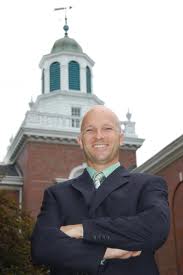
This was the first time I meet Eric Scheninger, Principal of New Milford High School. He had worked with Teq and Schoology to bring this conference to New Jersey as a venue for technology professional development for teachers. Included were presenters Adam Bellow, Tom Whitby, Samatha Morra, and many teachers in the tr-state area that were doing great things in the classrooms by integrating technology within their lessons.
This conference was fantastic and introduced me to how to implement social networking, online learning, using cell phones, etc. in the classroom. The presentations were all available online and using cell phones and twitter the audience had the opportunity to participate. I do plan to post pictures and some of my notes that I have on the different workshops I attended.
Lisa Neilsen's presentation regarding her blog (The Innovative Educator, http://innovativeeducator.blogspot.com/) and the use of social networking, cell phones, twitter, facebook, etc. within the classroom.

Lisa Nielsen : presentation thinking outside of the ban. The presentation can be found on http://tinyurl.com/thinkoutsidetheban. There is a principal in ridgefield, nj that was interviewed about blocking social networking and parents should say no to students that do social networking. In teaching as a Submersive Activity by Neil Postman in 1971 spoke about schools being the way they are due to how we as educators create the environment in the schools. She assist principals, teachers and students how to create blogs. She created the Innovative Educator blog and then was banned from having the blog from her employer and many comments regarding not having a blog. She wrote in Technology and Learning about the risking of blogging. She wrote on using cell phone in the classroom how to harness the use of cellphones for homework. http://tinyurl.com/cellphones. 2,500 students receive cell phone articles in NYC why not use this for education purposes? Texting messaging 5 ways to be used in schools.
I also attended George Engel, Pre-Calculus teacher from Clarkson Central Schools and how he used cellphones in his class to get instant feedback from students and what was presented in a lesson. For the firts time I was introduced to BackChanneling, Wiffiti and how they could be used in classroom instruction.
 One of the scheduled presentations was done by Tom Whitby from St. Joseph's College. His presentation inroduced me to many of the Web 2.0 Tools that could be used in the classroom by teachers that would be at no cost to the school district. During his presentation there was a discussion on what is blocked or not blocked in a district and how could a teacher convince the administration and IT staff the need for these tools to better prepare students for the 21st century. The need for teacher to be student-centered rather teacher focused was also discussed and how teachers can progress to this model of teaching and learning.
I left this conference totally convinced that for my district to move forward there would be a need to adopt mobile technology with the use of cell phone in the classrooms. But this would require to get buy-in from all district stakeholders and the beginning process would be to change the present technology policy to include personal mobile devices. Due to financial limitations it would be ncessary for the district to allow students to bring in their own devices in the classroom so that they could be used for instructional purposes.
Subscribe to:
Posts (Atom)